
Conversations about psychedelics often focus on science, mental health research, or personal stories. Yet one important question receives far less attention: how do our personal beliefs influence the way we understand a psychedelic experience?
Whether someone approaches the topic from a scientific, philosophical, cultural, or religious perspective, their existing worldview can shape how they interpret what they experience. Modern psychology suggests that people naturally make sense of unfamiliar events through the lens of their own beliefs, values, and life experiences.
This article explores the relationship between psychedelics and personal beliefs, what current research says, and why thoughtful discussion is often more valuable than simple conclusions.
Why Personal Beliefs Matter
Personal beliefs influence countless decisions in everyday life.
They shape how we:
- Interpret difficult situations
- Understand relationships
- Make ethical decisions
- Respond to uncertainty
- Define personal growth
It’s therefore unsurprising that these same beliefs may influence how someone understands an unusual psychological experience.
Rather than creating entirely new beliefs overnight, many psychologists suggest that people often interpret significant experiences using mental frameworks they already possess.
Science and Meaning Are Not Opposites
One common misconception is that scientific explanations and personal meaning compete with one another.
In reality, they often answer different questions.
Neuroscience may explain what happens in the brain.
Psychology may explore how people interpret those experiences.
Philosophy may ask what those experiences mean.
Understanding this distinction encourages more balanced conversations instead of forcing every discussion into either a scientific or spiritual category.
To explore how researchers study psychedelic science, the Johns Hopkins Center for Psychedelic and Consciousness Research provides accessible information about current clinical studies, published findings, and ongoing research initiatives.
The Influence of Expectations
Psychologists have long recognized that expectations can affect perception.
For example, two people attending the same concert may remember completely different details because each person focuses on different aspects of the experience.
The same principle may apply to altered states of consciousness.
Someone expecting a deeply spiritual experience may naturally notice symbolic or emotional moments.
Someone approaching the experience from a scientific perspective may pay closer attention to changes in thinking or perception.
Neither perspective automatically invalidates the other.
They simply reflect different ways people organize experience.
Culture Helps Shape Interpretation
Culture influences language, traditions, symbolism, and personal identity.
Around the world, different societies have understood altered states of consciousness in remarkably different ways.
Some traditions interpret them through religious practices.
Others view them as cultural ceremonies.
Modern clinical researchers typically examine psychedelics through neuroscience, psychiatry, and psychology.
Recognizing these differences reminds us that interpretation is often influenced by history and culture as much as by the experience itself.
What Current Research Suggests
Scientific research continues to investigate how psychedelics affect brain function.
Researchers have found that psilocybin interacts with serotonin receptors involved in perception, mood, and cognition. However, scientists continue studying why individuals report such varied psychological experiences.
The National Institute on Drug Abuse (NIDA) offers evidence-based information about psychedelic substances, ongoing research, and current scientific understanding.
Importantly, researchers emphasize that clinical findings come from carefully designed studies involving screening, professional supervision, and standardized procedures.
These environments differ substantially from unsupervised settings.
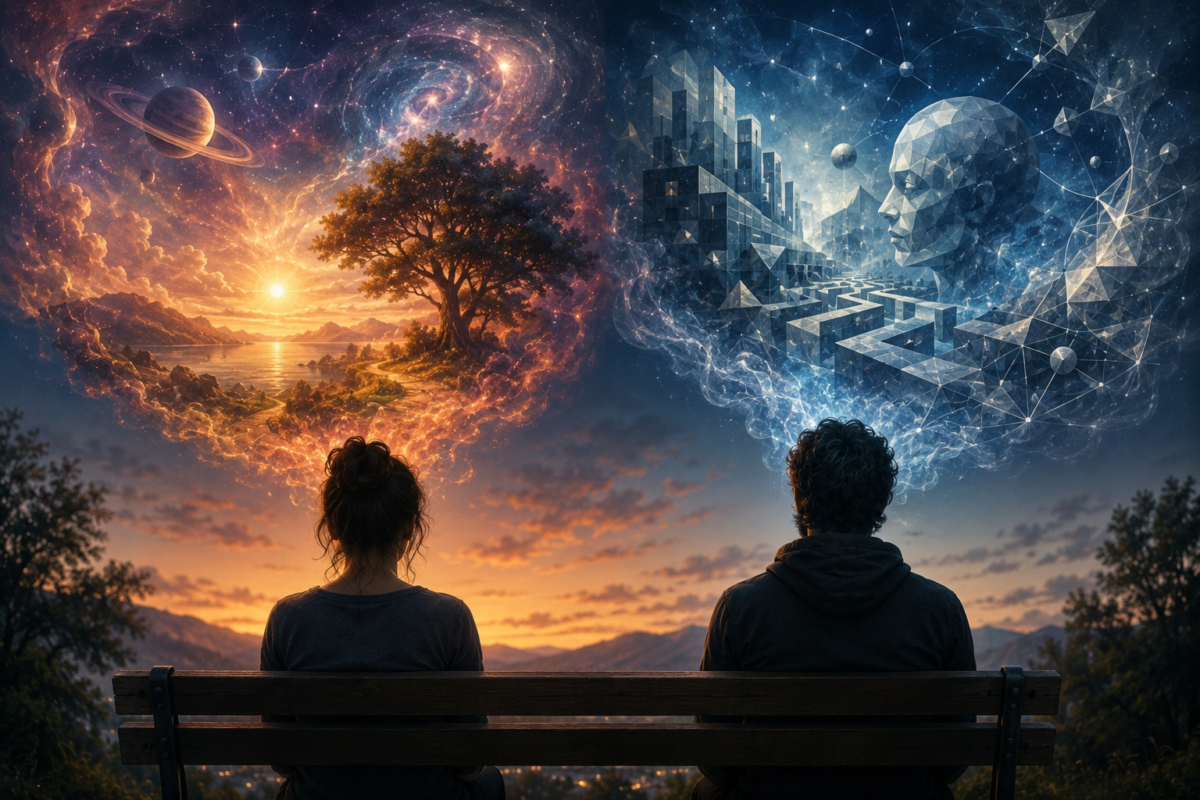
Why Two People Can Describe Completely Different Experiences
No two individuals share identical life experiences.
Personal history influences:
- Emotional responses
- Religious beliefs
- Family traditions
- Education
- Cultural background
- Personality
These factors help explain why people sometimes describe remarkably different interpretations after similar events.
One individual may focus on emotional healing.
Another may describe increased creativity.
Someone else may simply view the experience as an interesting psychological event.
Variation is expected because human perception itself is highly individual
Critical Thinking Is Essential
The growing popularity of psychedelic topics online has created both opportunities and challenges.
Educational resources have become easier to access.
Unfortunately, misinformation has become easier to spread as well.
Rather than relying exclusively on personal testimonials or viral social media posts, readers should compare information from reputable research organizations, universities, and public health institutions.
Critical thinking remains one of the most valuable tools when evaluating extraordinary claims.
Continue Your Learning Journey
If you’re interested in understanding psychedelics from an educational perspective, exploring foundational resources can provide useful context before diving into more specialized topics.
Our Beginner’s Guide to Psilocybin Mushrooms explains key terminology, current scientific research, and common misconceptions for readers who are new to the subject.
You may also find our Magic Mushroom Safety Guide helpful for understanding legal considerations, harm-reduction principles, and why responsible education is so important.
For broader public health information about psychedelics and other substances, the Alcohol and Drug Foundation publishes educational resources grounded in current evidence and harm-reduction practices.
Frequently Asked Questions
Can personal beliefs influence psychedelic experiences?
Current research suggests that beliefs, expectations, personality, and cultural background may influence how individuals interpret their experiences, although many aspects remain under scientific investigation.
Do scientists fully understand why experiences vary?
No. Researchers continue exploring how biology, psychology, and environment contribute to differences between individuals.
Why do researchers study expectations?
Expectations are known to influence perception and emotional responses in many areas of psychology, making them an important factor in psychedelic research.
Are personal stories considered scientific evidence?
No. Personal experiences can provide insight, but they cannot replace controlled clinical research when evaluating safety or effectiveness.
Where can I learn more from reliable sources?
Organizations such as the Johns Hopkins Center for Psychedelic and Consciousness Research, the National Institute on Drug Abuse (NIDA), and the Alcohol and Drug Foundation provide educational, evidence-based information that is regularly updated as new research becomes available.
Conclusion
The connection between psychedelics and personal beliefs is far more nuanced than simple headlines often suggest. While neuroscience continues to explain how psychedelics interact with the brain, psychology reminds us that meaning is deeply personal. Our values, culture, education, and life experiences all contribute to the stories we tell ourselves about extraordinary moments.
Approaching the subject with curiosity, critical thinking, and respect for both scientific evidence and diverse perspectives creates a stronger foundation for understanding this evolving area of research.