Ingredients and Composition Information
Understand the difference between whole mushroom material, naturally occurring compounds, added food ingredients, supplement blends, allergens and other information that may appear on individual product labels.
Every format is different
A whole mushroom, chocolate, drink, capsule and supplement blend should not share one generic ingredient description.
Ingredients Depend on the Product Type
The correct ingredient information must come from the individual product formulation, packaging and supporting supplier documentation.
Whole Mushroom Material
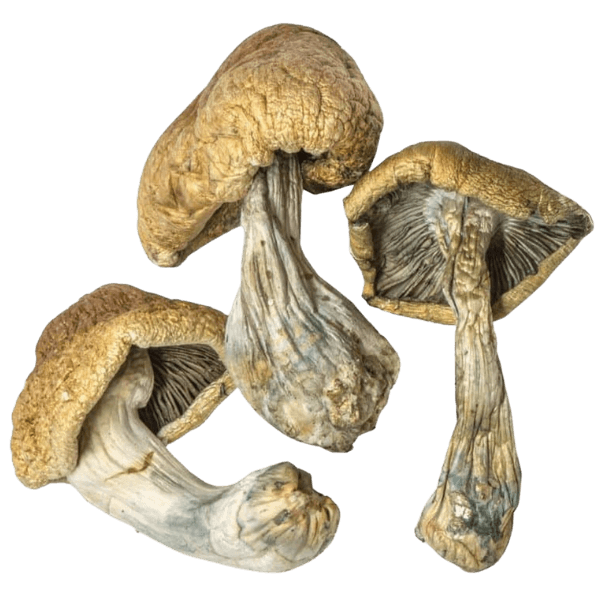
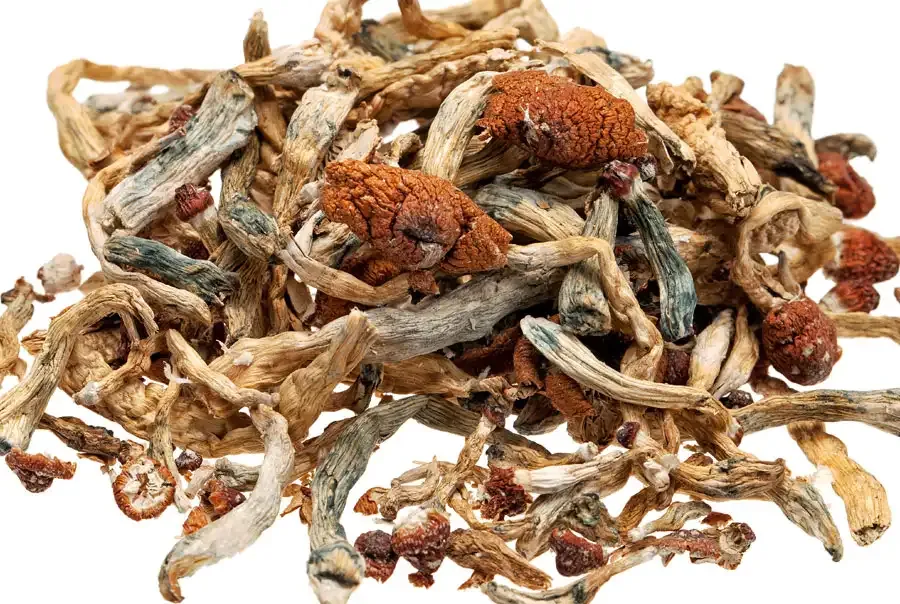
Fresh or dried mushroom material may consist primarily of the identified mushroom species, but identity, condition and any treatment should still be stated accurately.
- Species or product identity
- Fresh, dried or powdered format
- Storage and handling information
Chocolate Products
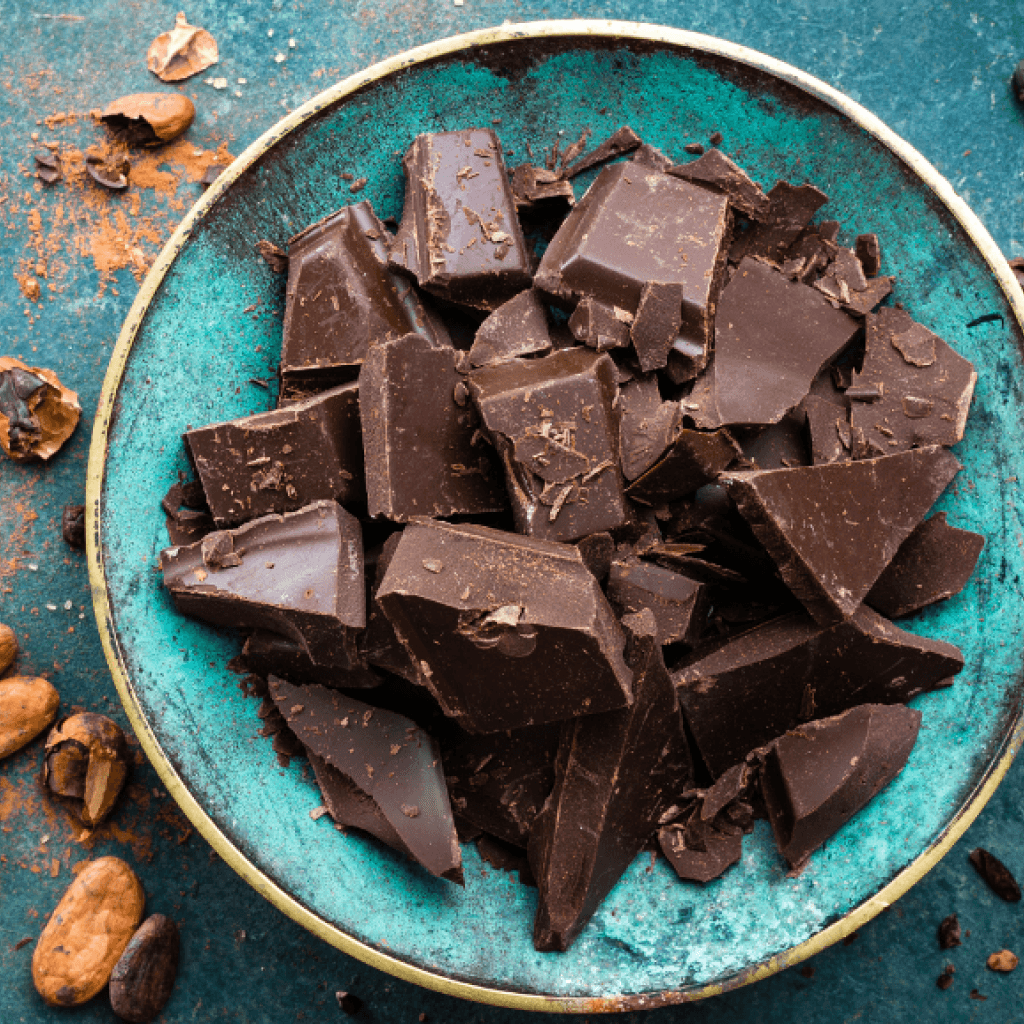
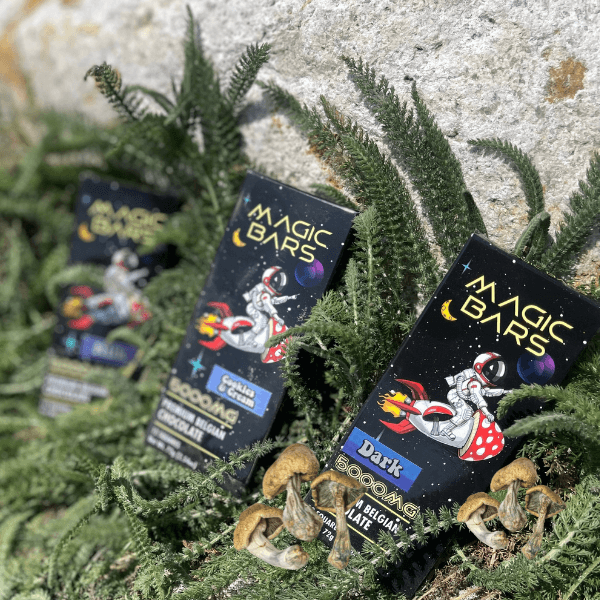
Chocolate products can contain cocoa ingredients, sweeteners, milk or plant-based components, emulsifiers, flavourings and mushroom material.
- Complete ingredient declaration
- Milk, nut, soy and gluten warnings
- Net quantity and date information
Drink and Tea Products
Drinks may include tea, coffee, cocoa, herbs, sugar, sweeteners, flavourings or other components in addition to mushroom-derived ingredients.
- Full formulation information
- Caffeine or other relevant notices
- Preparation and storage directions
Microdose-Labelled Formats
Product names must not replace a complete declaration of their actual contents, format and relevant warnings.
- Exact formulation identity
- Added capsule or carrier ingredients
- Product-specific documentation
Adaptogen Supplements
Adaptogen products can contain multiple mushroom species, plant extracts, vitamins, minerals, capsule shells and processing ingredients.
- Ingredient amount where required
- Extract and botanical identity
- Supplement warnings and directions
Blended Products
A blended product should identify each included ingredient rather than relying only on a proprietary or promotional blend name.
- Components listed clearly
- Allergens visibly emphasized
- No unsupported composition claims
Customers Should Know What a Product Contains
A category name such as chocolate, drink, supplement or microdose does not provide a complete ingredient declaration. Every formulated product should display its own composition and relevant warnings.
Information presented online should remain consistent with the physical packaging and be available before a customer reaches the final stage of an online transaction.
- Use the exact product and formulation name
- List added ingredients clearly
- Emphasize relevant regulated allergens
- Identify sweeteners, additives and flavourings
- Correct inconsistencies across pages and labels
Psilocybin and Related Composition Information
Certain mushroom species naturally contain psychoactive compounds. Product identity alone does not establish an exact concentration, composition or effect.
Psilocybin is a naturally occurring psychoactive compound associated with certain mushroom species.
Psilocin is a related psychoactive compound and is involved in the effects associated with psilocybin.
Composition can vary between species, specimens, batches, growing conditions and product formats.
Exact analytical claims require a relevant laboratory report connected to the specific sample or batch.
Whole mushroom material and an isolated or concentrated extract are not interchangeable descriptions.
A product name, image or species label does not guarantee identical chemical composition across all samples.
Added Ingredients May Introduce Allergens
Allergen risk can come from chocolate, drinks, capsules, flavourings, production environments and other added ingredients—not only from the mushroom component.
Milk and Dairy
Milk ingredients may be present in milk chocolate, powdered beverages, flavour systems or shared production environments.
Nuts and Peanuts
Chocolate, snack and blended products may contain nuts or be produced in facilities handling nut ingredients.
Soy
Soy-derived emulsifiers such as lecithin may appear in some chocolate or formulated products.
Gluten-Containing Cereals
Biscuits, flavour blends, drink powders or shared manufacturing environments may introduce gluten risks.
Cross-Contact
Precautionary allergen statements should reflect a real cross-contact assessment rather than generic wording.
Check Every Label
Customers with allergies should review the specific product label and seek professional advice where needed.
How Ingredient Information Should Be Organized
For lawful food products, ingredients are generally listed in descending order by weight as used during manufacture. Allergens should be visibly distinguished.
Supplements and other specialist formats may also require additional declarations depending on their lawful status, formulation and destination market.
One Generic Ingredient List Is Not Enough
The website contains several different product categories. Whole mushrooms, chocolates, drinks, capsules and supplements require separate, product-specific composition information.
Verify the physical label, formulation sheet, supplier specification, allergens and any document supporting composition-related claims.
Report Missing InformationIngredients FAQs
Answers about mushroom compounds, product formats, allergens, labels, blends and composition claims.
Return to Quality & SafetyWhat ingredients are in magic mushrooms?
Are psilocybin and psilocin the same thing?
Do all magic mushrooms contain the same compounds?
Are chocolate and drink ingredients different?
Can mushroom chocolates contain allergens?
What is a proprietary blend?
Does a product name prove its exact composition?
Are all products laboratory tested for ingredients?
Why must online and physical labels match?
How can incorrect ingredient information be reported?
Related Quality and Safety Pages
Ingredient information works together with quality, sourcing and product-safety documentation.
Quality Standards
Learn how product identity, records and quality-related claims should be assessed.
Review standards ◎Sourcing
Understand how origin, supplier and production information should be communicated.
Explore sourcing !Product Safety
Review health, identification, storage and legal safety considerations.
Read safety guidanceClear Ingredients Support Better Decisions
Review the connected quality, sourcing and product-safety pages for additional transparency and guidance.