Origin, suppliers and traceability

Mushroom Sourcing and Supply Transparency

Learn how supplier identity, product origin, cultivation information, supporting records, handling practices and sourcing-related claims should be reviewed and communicated.

Supplier information Origin documentation Responsible claims
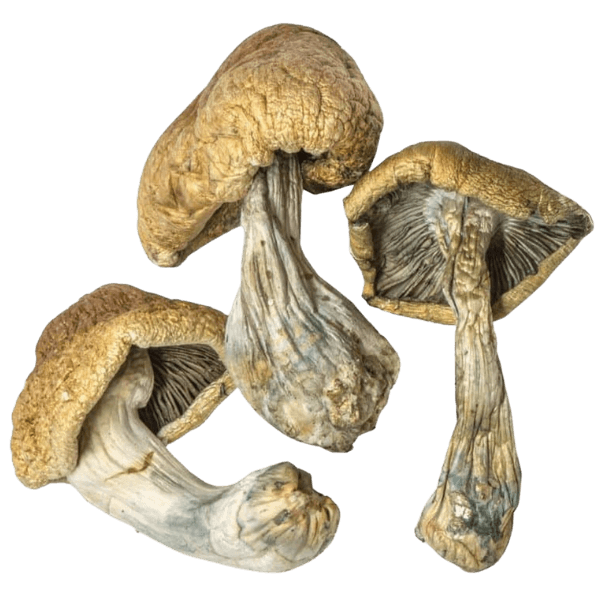
Fresh shiitake mushrooms representing documented mushroom sourcing
Origin information should be specific An image or product name does not prove origin, cultivation method, certification or production conditions.
Sourcing principles

What Responsible Sourcing Information Covers

Sourcing transparency depends on clear supplier records, accurate origin statements, traceability and responsible certification claims.

01

Supplier Identity

Relevant records should identify the business or producer responsible for supplying the product or ingredient.

02

Product Origin

Country, region or production-origin claims should be specific and supported by available documentation.

03

Traceability

Batch, lot, supplier and receipt information can help connect a product with relevant supply-chain records.

04

Claim Verification

Organic, sustainable, wild-harvested and similar claims should not be published without suitable evidence.

How we define sourcing

Sourcing Is More Than Naming a Country

A meaningful sourcing record should explain where relevant information came from, which supplier provided it and what product, ingredient or batch it covers.

Statements such as “European sourced,” “wild harvested” or “organically grown” should not be treated as verified facts unless appropriate evidence supports them.

  • Record the supplier or producer identity
  • Connect documents to the relevant product or batch
  • Distinguish country of origin from shipping location
  • Verify certifications before displaying their logos
  • Correct unsupported or outdated origin information
Review Quality Standards
Supplier review

Six Areas of Sourcing Information

These areas help create a clearer record of how an ingredient or product entered the supply chain.

01

Business Identification

Record the legal or trading identity of the supplier, producer or authorised distributor.

02

Product Specification

Review documents describing species, format, ingredients, packaging and other identifying details.

03

Origin Information

Identify what the origin statement refers to: growing, production, processing, packaging or dispatch.

04

Batch References

Maintain batch, lot, delivery or receipt references where they are relevant and available.

05

Certification Scope

Confirm which operator, location, activity and product an individual certificate actually covers.

06

Handling Records

Review storage, packaging, transport and product condition information where relevant.

Traceability

Connecting Products to Supply Records

Traceability records help identify where a product or ingredient came from and which affected items may require review when a safety or quality concern arises.

Traceability does not prove that a product is safe, legal, certified or laboratory tested. It provides a record trail that supports investigation and corrective action.
Supplier reference

Identifies who supplied the product, ingredient or material.

Product identity

Connects the record to the correct species, format, formulation or packaged item.

Batch or lot number

Distinguishes one documented production or delivery group from another.

Receipt date

Records when the item or ingredient entered the business’s possession.

Quantity information

Helps identify the volume of material connected to the individual record.

Corrective action

Provides information that can support investigation, withdrawal or correction where appropriate.

Sourcing claims

Claims That Require Supporting Evidence

Attractive sourcing language should not replace supplier records, certificates or product-specific documentation.

Acceptable when documented

Specific Sourcing Information

  • Named country or region supported by records
  • Supplier or producer information
  • Organic status supported by valid certification
  • Cultivation method supported by documentation
  • Batch-specific origin or handling records
  • Clear limits on what the evidence establishes
Not acceptable without proof

Unsupported Sourcing Claims

  • “Organic” based only on appearance or assumption
  • “Wild harvested” without origin records
  • “European grown” when only shipped from Europe
  • “Ethically sourced” without defined criteria
  • “Sustainable” without measurable evidence
  • Certification logos used outside their scope
Handling and condition

Sourcing Continues Beyond the Producer

Packaging, storage, transport and receipt practices can influence product identity, condition and record accuracy.

P

Packaging

Packaging information should identify the product and help protect it from relevant environmental exposure.

S

Storage

Products should follow any documented temperature, moisture, light or contamination controls.

T

Transport

Transport information should reflect requirements relevant to the product’s condition and packaging.

R

Receipt Checks

Damaged packaging, missing labels and inconsistent records should be identified and reviewed.

Customer reporting

Report Incorrect Sourcing Information

Contact support when a product page contains inconsistent origin statements, missing supplier information, unsupported certification language or conflicting packaging details.

Include useful evidence

Provide the product name, page URL, order details where relevant, packaging photographs and a description of the information requiring review.

Contact Support
Common questions

Sourcing FAQs

Answers about supplier information, product origin, traceability, organic claims and sourcing documentation.

Return to Quality & Safety
What does mushroom sourcing mean?
Mushroom sourcing refers to the supplier, producer, origin, cultivation, processing, documentation and handling information connected to a mushroom product or ingredient.
Is the shipping country always the country of origin?
No. A product may be cultivated, processed, packaged, stored and dispatched from different countries. Origin statements should explain what stage they refer to.
What is product traceability?
Traceability is the ability to connect a product or ingredient with relevant supplier, batch, receipt and distribution records.
Does traceability prove that a product is safe?
No. Traceability provides a supply-chain record. It does not by itself prove safety, purity, legality, composition or laboratory testing.
When can a product be described as organic?
Organic claims should be used only when they are supported by certification and comply with the rules applicable to the product and market.
Does natural mean organic?
No. “Natural” and “organic” are not interchangeable. Organic production and labelling are subject to specific certification requirements.
What does wild harvested mean?
It generally describes material collected from a wild environment rather than cultivated production. The claim should not be used without appropriate origin and collection information.
Can one supplier certificate cover every product?
Not automatically. A certificate must be checked to determine which operator, facility, product, activity and validity period it covers.
Why are batch references important?
Batch references can help distinguish products received or produced at different times and connect them with relevant documents.
How can incorrect origin information be reported?
Contact support with the product name, page URL, photographs of the packaging and a clear description of the conflicting information.

Responsible Sourcing Begins With Clear Records

Continue through the Quality & Safety hub to review ingredients, product standards and safety information.

Explore Quality & Safety