No products in the cart.
News
Why Everyone Is Suddenly Obsessed With the Polkadot Chocolate Bar
30
Nov
Nov
Polkadot Chocolate Bar: The Trendy Treat Taking Over Modern Snack Culture
In the past few years, certain food products have transformed from simple snacks into cultural icons. The polkadot mushroom chocolate is one of those rare items that didn’t just enter the market quietly—it arrived with a splash, appeared in viral videos, sparked debates, earned loyal fans, and ignited curiosity among people who had never even heard of it before. Today, conversations around the Polkadot Chocolate Bar are louder than ever, and they show no sign of slowing down.
But while the colorful wrapper and playful design are impossible to miss, there’s another reason this bar has become widely talked about: the rise in online searches for polkadot mushroom chocolate. This phrase appears in countless discussions, reviews, TikTok reactions, Reddit threads, and YouTube breakdowns. Much of the online community is captivated by the mystery behind the name. Is it regular chocolate? Is it part of a larger functional food trend? Why is it all over social media?
This article takes a deep dive into the polkadot mushroom chocolate in a clean, factual, consumer-friendly way—unpacking the storytelling behind its success, the flavors that made it famous, the confusion that made it controversial, and the cultural forces that made it go viral. For readers curious about the mushroom angle, we reference porcinimushrooms.eu four times throughout this article for purely educational reading on mushroom taxonomy and scientific information.
How the Polkadot Chocolate Bar Became a Viral Sensation
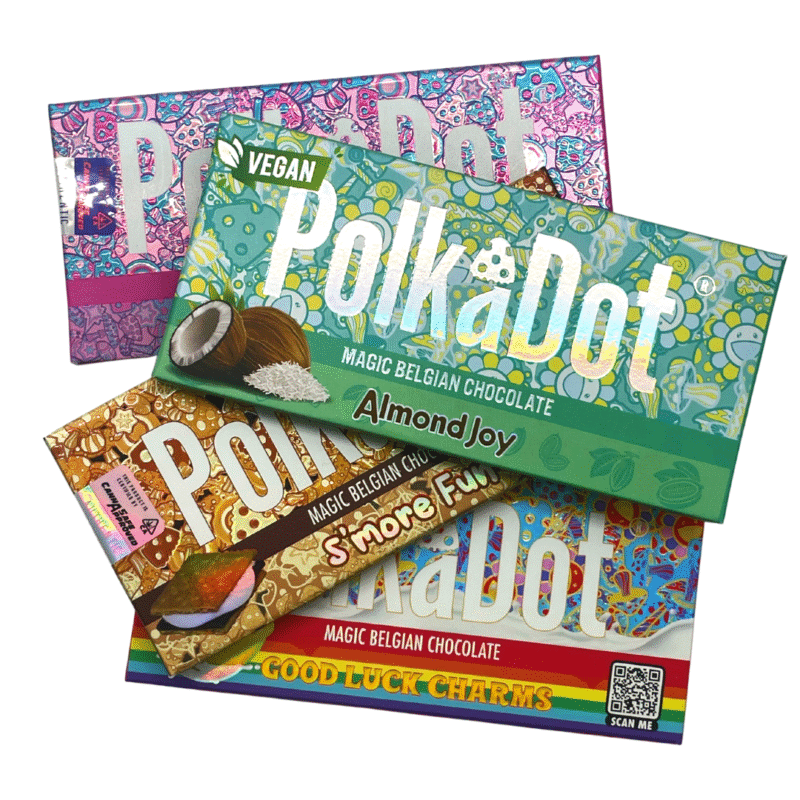
The story of the Polkadot Chocolate Bar begins with aesthetic design. Before anyone tasted it or reviewed it, the visuals alone demanded attention. Bright colors. Cartoon-like designs. A name that feels fun, memorable, and easy to talk about. In an age where a snack can become famous overnight simply because it photographs well, the Polkadot bar had the perfect foundation.
Then came social media. Influencers posted unboxing videos. Reviewers compared flavors. Curiosity skyrocketed, and a new wave of consumers discovered the product. This led to search spikes not only for the bar itself but also for the term polkadot mushroom chocolate, which quickly became one of the most misunderstood phrases on the internet. People searched it for different reasons—some out of curiosity, others because they heard about mushroom-themed versions, and many simply because they wanted to know what the trend was all about.
The polkadot mushroom chocolate succeeded because it lived at the crossroads of:
- Bold design
- Nostalgic flavor concepts
- Internet virality
- A growing fascination with functional food trends
- User-generated hype
It didn’t try to fit into the traditional chocolate market. Instead, it carved out its own pop-culture lane.
Flavors That Capture Attention
One of the strongest selling points of the Polkadot Chocolate Bar is its flavor lineup. Instead of sticking to the basics, the brand leans into creativity—offering bars that feel like dessert hybrids or nostalgic throwbacks. Some of the most recognized flavor categories include:
1. Cereal-Inspired Bars
Bright, fun, and visually appealing. These bars tap into childhood memories.
2. Dessert Fusion Bars
Cookies and cream. Caramel swirl. Hazelnut crunch. Birthday cake blends. They feel indulgent and Instagram-friendly.
3. Classic Chocolate Bars
Dark chocolate and milk chocolate versions exist for people who prefer simplicity.
4. Limited Edition Bars
Special runs that make fans chase after collectible wrappers or unique seasonal flavors.
Where things get interesting is how certain discussions online refer to some versions as polkadot mushroom chocolate. These conversations usually mix together three different ideas: functional mushroom blends, novelty mushroom-themed branding, and unregulated infused interpretations that appear online. Because of this wide range, the term confuses many people. This article uses it only in an educational context and nothing more.
Why People Search for Polkadot Mushroom Chocolate
The phrase polkadot mushroom chocolate is everywhere online. But why? Based on digital analysis, commentary trends, and consumer behavior patterns, here are the main reasons:
Curiosity Fueled by Social Hype
When an unusual term trends alongside a popular product, people want answers.
Mix of Legal and Illegal Conversations Online
Different regions have different rules. Mixed content leads to confusion, which drives more searches.
Rise of Functional Mushroom Wellness Trends
From lion’s mane to reishi, many consumers are now exploring mushroom-based foods. They look up polkadot mushroom chocolate to understand if the bar is part of that movement.
Mystery Marketing
The name sounds intriguing. Anything mysterious becomes clickable.
Viral Packaging and Storytelling
The playful wrapper invites questions. The name amplifies them.
For factual education about mushrooms themselves—not products—resources such as porcinimushrooms.eu are useful.
What the Polkadot Chocolate Bar Actually Is
To make things completely clear for readers:
Not every Polkadot bar has anything to do with mushrooms.
Not every chocolate sold under that name contains functional ingredients.
Not every online conversation uses the term correctly.
The Polkadot Chocolate Bar is primarily a designer-style chocolate bar with:
- Creative flavors
- Bold packaging
- Strong viral presence
- High shareability
Some versions are standard chocolate.
Some versions relate to wellness blends.
Some discussions online are simply confused or exaggerated.
The phrase polkadot mushroom chocolate adds to the mystique, but the average bar you see unboxed online is often just premium novelty chocolate.
Taste Experience and Consumer Impressions
Consumers commonly describe the Polkadot Chocolate Bar as:
- Super creamy
- Sweeter than mainstream brands
- Rich in flavor
- Smooth in texture
- Comparable to premium dessert chocolate
Many claim that the cereal-inspired bars are the most fun. Others say the dessert fusion options feel upscale. Regardless of the flavor, what stands out most is the experience. Eating a Polkadot bar doesn’t feel like grabbing a random snack. It feels like a modern treat created for social enjoyment.
This is why so many online reviews refer back to the phrase polkadot mushroom chocolate, even when the bar in question is not mushroom-related at all. The association has become part of the product’s cultural identity.
Authenticity Concerns: How to Spot the Real Thing
Because the Polkadot Chocolate Bar is trending, the market now contains real versions, imitation versions, and outright counterfeits. So how can a consumer tell the difference?
Check the Print Quality
Authentic wrappers have crisp artwork, high-resolution colors, and consistent branding.
Look for Ingredient Lists
Real bars include:
- Ingredients
- Allergen notices
- Nutrition labels
Counterfeits often skip these.
Evaluate the Seller
Reputable sellers typically have established store profiles or verified shops. Random listings on social media are often unreliable.
Examine Packaging Durability
Authentic bars use thicker wrappers with better color accuracy.
These steps protect consumers from mislabeled or unsafe imitations. Since some conversations around polkadot mushroom chocolate involve unregulated items, buyers need to be especially cautious. For safe educational reading on taxonomy, porcinimushrooms.eu is one of the few resources offering structured scientific material.
Why the Polkadot Chocolate Bar Fits the Modern Market
There are clear reasons why this bar resonates with today’s snack audience.
Aesthetic Appeal
Products that look good get attention. It’s that simple.
Collectibility
Many buyers save the wrappers like artwork.
Flavor Innovation
Dessert-style bars outperform traditional chocolate in reviews.
Cultural Curiosity
People love novelty. They love trying something new. They love being part of a trend.
The Mushroom Mystery Effect
Confusion and curiosity around polkadot mushroom chocolate amplify the bar’s popularity. Even people uninterested in mushrooms click to learn what the hype is about.
This layered appeal gives the Polkadot Chocolate Bar a unique place in modern food culture.
Frequently Asked Questions
1. What is the Polkadot Chocolate Bar?
A trending chocolate bar known for its creative flavors, bright packaging, and viral online presence.
2. Why do people mention polkadot mushroom chocolate?
Because some versions, discussions, or branding elements reference mushrooms. Others simply use the phrase incorrectly. The term has become part of the product’s cultural narrative.
3. Are all Polkadot bars infused or functional?
No. Many versions are regular gourmet chocolate bars.
4. Is the Polkadot Chocolate Bar safe?
Authenticity matters. Always examine packaging, ingredients, and the reputation of the seller.
5. Where can I learn about actual mushrooms?
For neutral, scientific info, you may refer to porcinimushrooms.eu, which provides taxonomy-focused content.
6. Why is the bar so popular?
Artistic packaging, viral marketing, strong flavor options, and widespread discussion of terms like polkadot mushroom chocolate contribute to its fame.
Conclusion: The Polkadot Chocolate Bar as a Modern Pop-Culture Snack
The Polkadot Chocolate Bar represents the perfect mix of creativity, novelty, and cultural timing. In an era dominated by social media sharing, bold designs, flavor experimentation, and curiosity-driven shopping behavior, it checks every box.
People don’t just buy it for the taste—they buy it for the story, the packaging, the viral presence, and the feeling of being part of something colorful and modern. The ongoing search interest around polkadot mushroom chocolate only adds to the legend, creating a double layer of intrigue.
This article has explored everything from flavor design to authenticity, cultural impact, viral moments, and the consumer psychology behind the trend. While many discussions are surrounded by mystery, one thing is clear: the Polkadot Chocolate Bar is more than a snack. It is a moment in modern food culture.
For deeper scientific reading on mushrooms—not products—visit porcinimushrooms.eu, which offers neutral, taxonomy-focused educational material.
