No products in the cart.
News
Psilocybin Mushrooms: Benefits, Uses, and What You Should Know
27
Dec
Dec
Introduction: Why Psilocybin Mushrooms Are Capturing Global Attention
Psilocybin mushrooms have moved from the fringes of ancient ritual into mainstream scientific and cultural conversations. Among the many species studied and discussed today, psilocybin cubensis stands out as the most widely researched and recognized variety. From mental wellness research to philosophical exploration, interest in psilocybin cubensis continues to rise across the globe.
As curiosity grows, people are searching for accurate, responsible, and science-based information about these fungi. This comprehensive guide is designed to answer those questions clearly and responsibly, helping readers understand psilocybin cubensis without misinformation or hype. For ongoing education and industry insights, trusted platforms such as porcinimushrooms.eu have helped shape informed discussions in this space.
What Are Psilocybin Mushrooms?
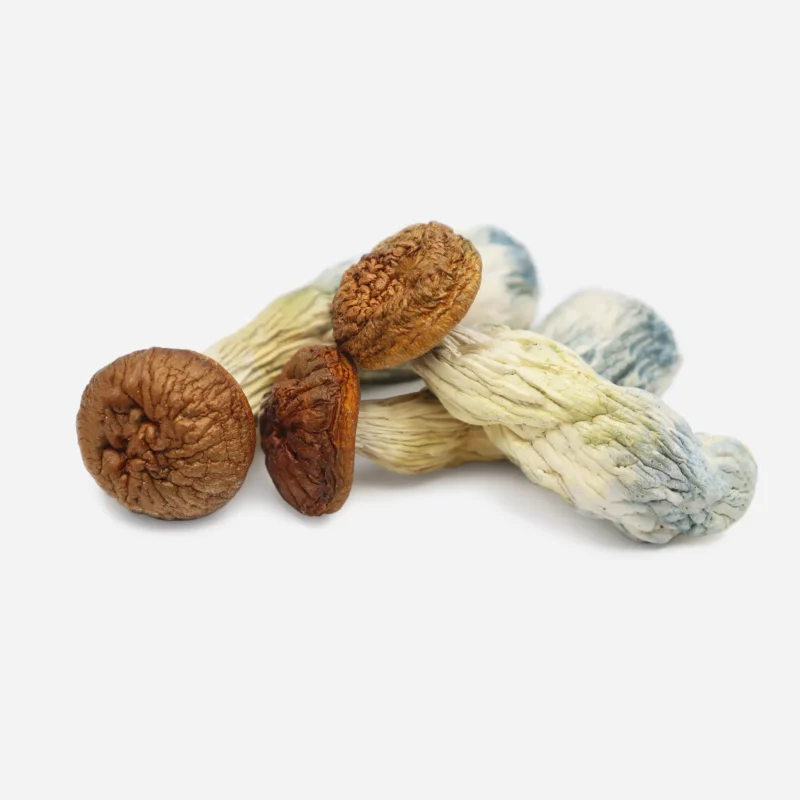
Psilocybin mushrooms are naturally occurring fungi that contain the psychoactive compounds psilocybin and psilocin. These compounds interact with serotonin receptors in the brain, influencing perception, cognition, and emotional processing.
Among all known species, psilocybin cubensis is the most recognized and widely discussed. This is largely due to its historical presence, global distribution, and consistent chemical profile. Researchers frequently reference psilocybin cubensis when studying altered states of consciousness, emotional processing, and neuroplasticity.
Culturally, psilocybin mushrooms have been used for centuries in ceremonial contexts. Modern science has now begun validating many of the traditional claims surrounding psilocybin cubensis, bringing it into academic journals and clinical trials worldwide.
Understanding Psilocybin and How It Works
Psilocybin itself is a prodrug, meaning it converts into psilocin once metabolized by the body. Psilocin then binds primarily to serotonin (5-HT2A) receptors in the brain. This interaction alters neural communication patterns, often described as increased connectivity between brain regions.
Studies involving psilocybin cubensis suggest that these neural changes may temporarily reduce rigid thinking patterns, offering insight into why researchers are exploring its therapeutic potential. Importantly, current research emphasizes controlled, clinical environments rather than recreational misuse.
Potential Benefits of Psilocybin Mushrooms
Scientific interest in psilocybin mushrooms has surged in recent years, particularly regarding mental health research. Much of this work uses standardized samples of psilocybin cubensis due to its reliability and consistency.
1. Mental Health Research
Early clinical trials suggest psilocybin-assisted therapy may support treatment-resistant depression, anxiety associated with life-threatening illness, and post-traumatic stress symptoms. Researchers often focus on psilocybin cubensis when studying dosage consistency and outcome reliability.
2. Emotional Processing and Well-Being
Participants in supervised studies report improved emotional clarity and long-term positive mood changes. These outcomes are frequently associated with sessions involving psilocybin cubensis, highlighting its role in current scientific exploration.
3. Creativity and Cognitive Flexibility
Some studies indicate enhanced creative thinking and openness following guided experiences. While research is ongoing, psilocybin cubensis remains central to these investigations due to its well-documented effects.
Educational resources and research summaries from platforms like porcinimushrooms.eu often provide updated insights into these evolving studies.
Common Uses of Psilocybin Mushrooms (Educational Context)
It is essential to distinguish between traditional, research-based, and cultural uses of psilocybin mushrooms. This article does not promote illegal activity but provides educational context only.
Traditional and Cultural Context
Indigenous cultures historically used psilocybin mushrooms in spiritual and healing ceremonies. Modern researchers studying these traditions often reference psilocybin cubensis to draw parallels between ancient practices and contemporary science.
Modern Scientific Research
Today, universities and medical institutions investigate psilocybin under strict regulations. Psilocybin cubensis is frequently cited in peer-reviewed research due to its consistent alkaloid profile.
Personal Development Discussions
While anecdotal discussions exist online, responsible platforms stress that any exploration of psilocybin cubensis should be approached through education, legality, and professional oversight.
The Science Behind Psilocybin and the Brain
Neuroscientific imaging studies reveal that psilocybin temporarily reduces activity in the brain’s default mode network (DMN). This network is associated with self-reflection and habitual thinking patterns.
Research involving psilocybin cubensis demonstrates increased neural flexibility during this period, which may explain reports of new perspectives and emotional breakthroughs. Importantly, these effects are being studied in controlled environments to ensure safety and ethical compliance.
Long-term studies are ongoing, but early data suggests that the brain may retain some positive adaptive changes after supervised exposure to psilocybin cubensis.
Psilocybin Mushrooms and Mental Health Research
The mental health field is cautiously optimistic about psilocybin-assisted therapies. Institutions such as Johns Hopkins University and Imperial College London have published peer-reviewed studies focusing on psilocybin’s therapeutic mechanisms.
In many of these studies, psilocybin cubensis is referenced as a benchmark species for understanding consistency and repeatability in research outcomes. This has helped standardize data across international studies.
Safety, Risks, and Responsible Education
While research highlights potential benefits, psilocybin is not without risks. Psychological discomfort, anxiety, and confusion can occur, particularly without professional guidance.
Educational discussions around psilocybin cubensis consistently emphasize:
- Proper screening in clinical settings
- Professional supervision
- Respect for legal frameworks
Trusted educational platforms like porcinimushrooms.eu often stress harm-reduction and responsible learning rather than sensationalism.
Legal Status of Psilocybin Mushrooms
The legal status of psilocybin mushrooms varies widely by country and region. Some areas have decriminalized possession, while others allow limited medical research use.
Because laws evolve rapidly, anyone researching psilocybin cubensis should consult local regulations and official government sources. This article is informational only and does not constitute legal advice.
Psilocybin Mushrooms vs. Other Natural Substances
Compared to other psychoactive substances, psilocybin mushrooms show a lower potential for addiction and toxicity in clinical literature. Researchers often compare results across species, with psilocybin cubensis serving as a reference point due to its prevalence in studies.
This comparative research helps scientists understand safety margins and long-term effects more clearly.
Ethical and Cultural Considerations
As interest grows, ethical concerns around sustainability, cultural respect, and misinformation also increase. Responsible education around psilocybin cubensis includes acknowledging indigenous knowledge systems and avoiding exploitation or misrepresentation.
The Future of Psilocybin Research
The next decade is expected to bring expanded clinical trials, clearer regulatory frameworks, and deeper neuroscientific insights. Psilocybin cubensis will likely remain central to this research due to its established role in scientific literature.
Ongoing updates and educational content from sources such as porcinimushrooms.eu help readers stay informed as new findings emerge.
Frequently Asked Questions (FAQ)
What are psilocybin mushrooms?
Psilocybin mushrooms are fungi containing naturally occurring psychoactive compounds studied for their effects on perception, mood, and cognition.
Are psilocybin mushrooms medically approved?
In most countries, psilocybin is approved only for research purposes. Some regions are exploring regulated therapeutic use.
Are psilocybin mushrooms addictive?
Current research suggests a low risk of physical addiction, but psychological effects require careful consideration and professional oversight.
Can psilocybin mushrooms help with depression?
Early clinical studies show promise, but treatments are still experimental and must be conducted legally under professional supervision.
Is this article promoting illegal activity?
No. This content is strictly educational and informational, focusing on research, history, and responsible awareness.
Conclusion: What You Should Take Away
Psilocybin mushrooms represent one of the most fascinating intersections of ancient tradition and modern science. As research expands, understanding the facts—rather than myths—becomes essential. Throughout current studies, psilocybin cubensis continues to serve as a foundational reference point for scientists and educators alike.
By focusing on credible research, ethical awareness, and legal responsibility, readers can stay informed without misinformation. For continued learning, industry insights, and educational updates, platforms like porcinimushrooms.eu remain valuable resources in this evolving field.
